
 EN
EN DE
DE IT
IT FR
FR ES
ES RU
RU JP
JP RO
RO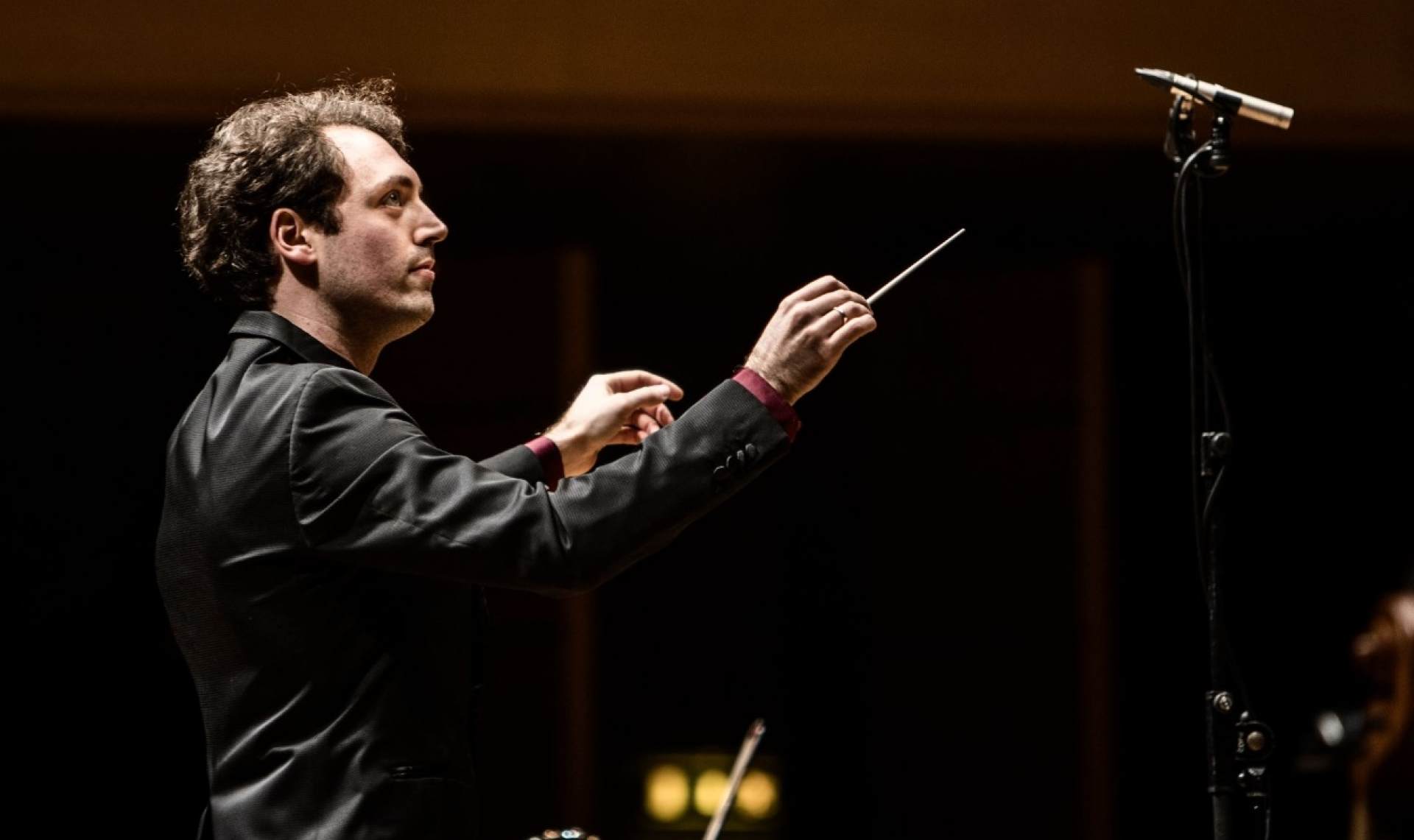
Orchestra I Pomeriggi Musicali
Order tickets
April 2026  | ||||||
|---|---|---|---|---|---|---|
Mo | Tu | We | Th | Fr | Sa | Su |
81th Symphonic Season of the Orchestra I Pomeriggi Musicali
Program and cast
22 and 24 January 2026
Program
Wolfgang Amadeus Mozart (1756 – 1791):
Rondo for Piano in D major K485
Piano Concerto No. 16 in D major K451
Piano Concerto No. 23 in A major K488
Cast
piano concertmaster: Louis Lortie
Orchestra I Pomeriggi Musicali
5 February and 7 February 2026
Wolfgang Amadeus Mozart (1756 – 1791)
Piano Concerto No. 6 in B-flat major, K238
Piano Concerto No. 8 in C major, K246 “Lützow”
Piano Rondo in A minor, K511
Piano Concerto No. 9 in E-flat major, K271 “Jeunehomme”
piano concertmaster: Alexander Lonquich
Orchestra I Pomeriggi Musicali
19 February and 21 February 2026
Program
Sergei Rachmaninov (1873 – 1943)
Piano and orchestra concerto No. 1 in Fa diesis minor op. 1
Johannes Brahms (1833 – 1897)
Symphony No. 4 in Mi minor op. 98
Cast
Director: Ryan McAdams
piano: Mikhail Pletnëv
Orchestra I Pomeriggi Musicali
26 February and 28 February 2026
Program
Wolfgang Amadeus Mozart (1756 – 1791)
Sonata per pianoforte n. 2 in Fa maggiore K280
Concerto per pianoforte e orchestra n. 11 in Fa maggiore K413
Concerto per pianoforte e orchestra n. 21 in Do maggiore K467
Cast
pianoforte concertatore Louis Lortie
Orchestra I Pomeriggi Musicali
5 and 7 March 2026
Program
Mason Bates (1977)
Mothership (first Italian execution)
Concerto for piano and orchestra
Philharmonia Fantastique (first Italian performance)
Cast
Director: Ryan McAdams
Shai Wosner: piano
live electronics Mason Bates
Orchestra I Pomeriggi Musicali
19 March and 21 March 2026
Robert Schumann (1810 – 1856)
Concerto for violin and orchestra in D minor op. post.
Symphony No. 2 in C major op. 61
Director: Stefano Montanari
Francesco Manara: violin
Orchestra I Pomeriggi Musicali
9 April and 11 April 2026
Program
Franz Schubert (1797 – 1828)
Lieder (transcripts for baritone and orchestra)
Symphony No. 4 in Do minor D417 “Tragic”
Cast
Director Diego Fasolis
Baritone Matthias Goerne
Orchestra I Pomeriggi Musicali
30 April and 2 May 2026
Program
Carlo Galante (1959)
Liza (first absolute execution, Musical Afternoon commission)
Franz Joseph Haydn (1732 – 1809)
Symphony No. 64 in Major Hob. I:64 “Tempora mutantur”
Ludwig van Beethoven (1770 – 1827)
Concerto for violin and orchestra in D major op. 61
Cast
Director: Alessandro Cadario
Violin: Rainer Honeck
Orchestra I Pomeriggi Musicali
7 May and 9 May 2026
Program
Wolfgang Amadeus Mozart (1756 – 1791)
Piano Sonata No. 8 in The Minor K310
Piano Concerto No. 13 in C major K415
Concerto for piano and orchestra n. 20 King minor K466
Cast
Concert piano concertatoreAlexander Lonquich
Orchestra I Pomeriggi Musicali
14 and 16 May 2026
Program
Wolfgang Amadeus Mozart (1756 – 1791)
Symphony No. 44 in D major K81
Philip of the Horn (1970)
Púrpura for viola and orchestra (commission of the Musical Afternoons and the Haydn Orchestra of Bolzano and Trento)
Johannes Brahms (1833 – 1897)
Serenade No. 2 in The Major Op. 16
Cast
Director: Carlo Boccadoro
Viola: Timothy Ridout
Orchestra I Pomeriggi Musicali
21 and 23 May 2026
Program
Sergei Rachmaninov (1873 – 1943)
Piano Concerto and Orchestra No. 2 in Do minor op. 18
Pyotr Ilič Tchaikovsky (1840 – 1893)
Symphony No. 5 in Mi minor op. 64
Cast
Director: Ryan McAdams
piano: Mikhail Pletnëv
Orchestra I Pomeriggi Musicali
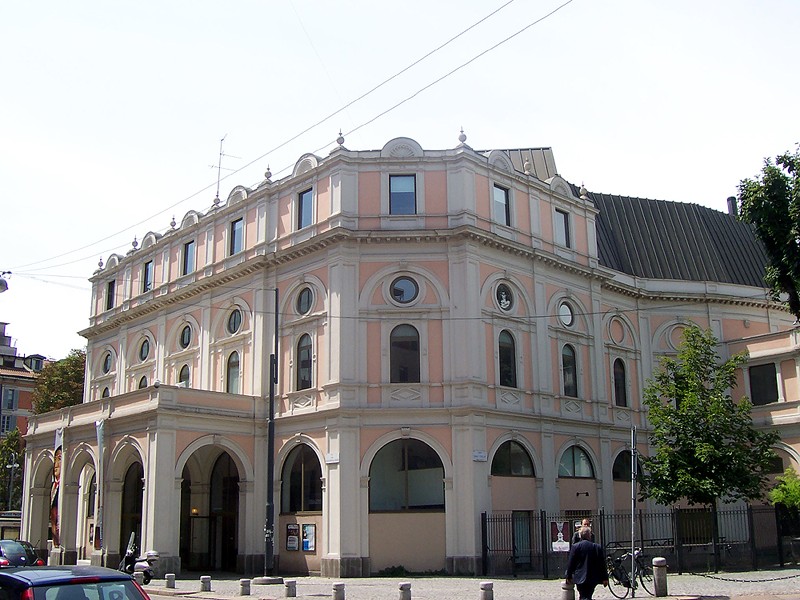
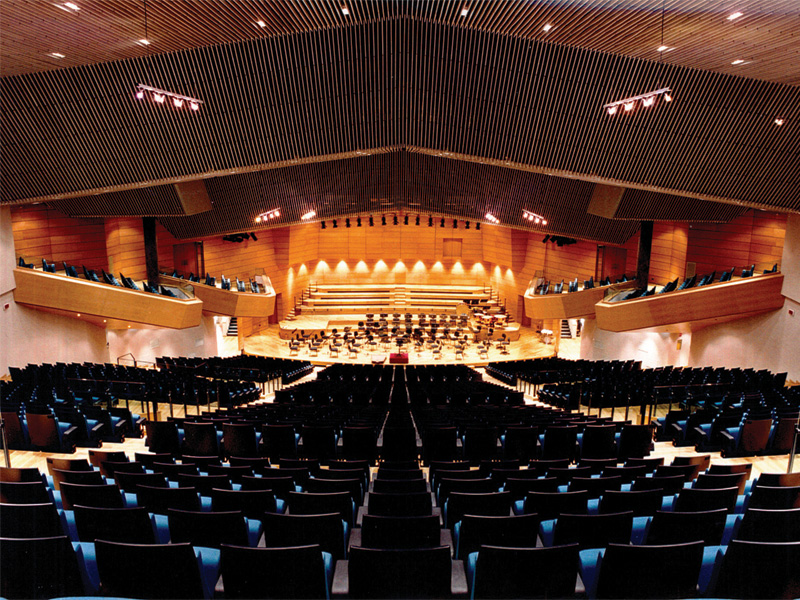
Teatro dal Verme
The Teatro Dal Verme is a theatre in Milan, Italy located on the Via San Giovanni sul Muro, on the site of the former private theatre the Politeama Ciniselli. It was designed by Giuseppe Pestagalli to a commission from Count Francesco Dal Verme, and was used primarily for plays and opera performances throughout the 19th and early 20th centuries. Today, the theatre is no longer used for opera, and is a venue for concerts, plays and dance performances, as well as exhibitions and conferences.
The original 3,000-seat theatre, surmounted by a large cupola, was constructed in the traditional horseshoe shape, with two tiers of boxes and a large gallery (or loggione) which alone contained more than 1000 seats. It opened on September 14, 1872 with a production of Meyerbeer's Les Huguenots and soon established itself as one of Italy's most important opera houses. During its "golden years", the theatre saw the world premieres of Puccini's Le Villi (May 31, 1884); Leoncavallo's Pagliacci (May 21, 1892) and I Medici (November 9, 1893); and Cowen's Signa (November 12, 1893). It also saw the Italian premiere of Lehár's The Merry Widow (April 27, 1907).
By the 1930s, the theatre was mainly being used as a cinema. It was then severely damaged by American aerial bombardment during World War II, after which its magnificent central cupola, which had survived the bombing, was stripped of all its metal parts by the occupying German army. It was partially rebuilt in 1946, and for a period in the 1950s it was used for the performance of musicals. It then reverted to a cinema and a political conference hall.
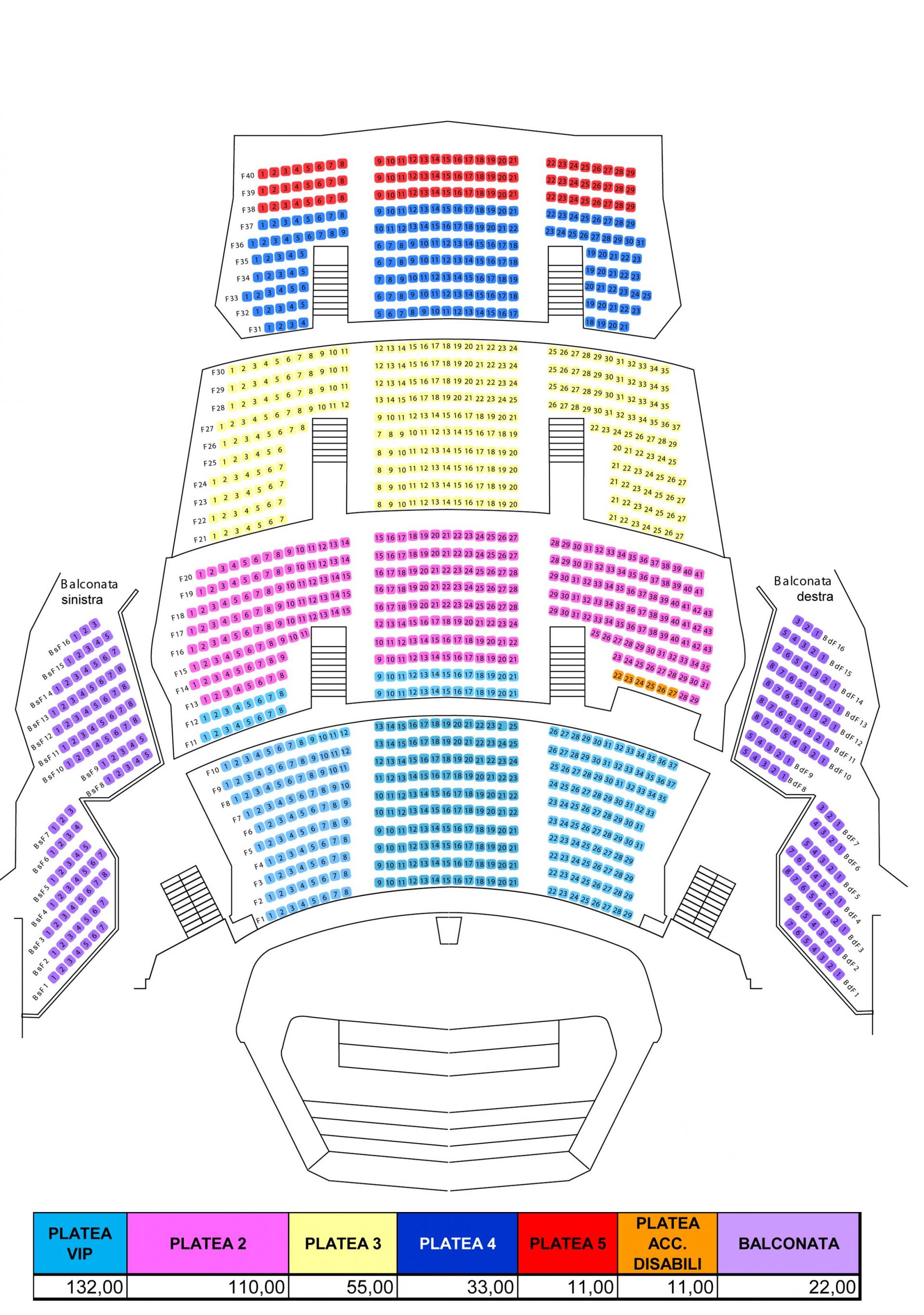
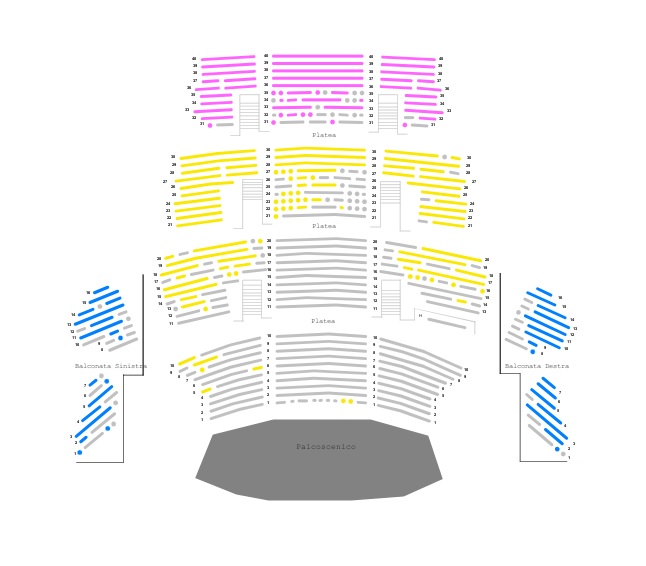
In 1991, the theatre's interior underwent a major restructuring and renovation project which was completed in 1998. It now has a large modern auditorium, the Sala Grande, with 1420 seats, a smaller performing space known as the Sala Piccola, with 200 seats, and a space for exhibitions and conferences, the Sala Terrazzo. Since September 2001, it has been administered
Related events