
 EN
EN DE
DE IT
IT FR
FR ES
ES RU
RU JP
JP RO
RO
Benedetto Lupo
Order tickets
 June 2026 June 2026 | ||||||
|---|---|---|---|---|---|---|
Mo | Tu | We | Th | Fr | Sa | Su |
Benedetto Lupo is widely regarded as one of the most refined and poetic Italian pianists of his generation. Known for his expressive sensitivity and profound musical insight, he has performed with major orchestras across Europe, the Americas, and Asia. His interpretations of Romantic repertoire—especially Schumann, Chopin, and Ravel—are praised for their clarity, elegance, and emotional depth. Lupo is also an esteemed educator, teaching masterclasses and mentoring young musicians. His artistic approach combines technical mastery with a unique sense of color and phrasing, making him a compelling presence on the international concert stage.
Program and cast
music: Robert Schumann, Fryderyk Chopin
Performers
Piano: Benedetto Lupo
Teatro Regio di Parma
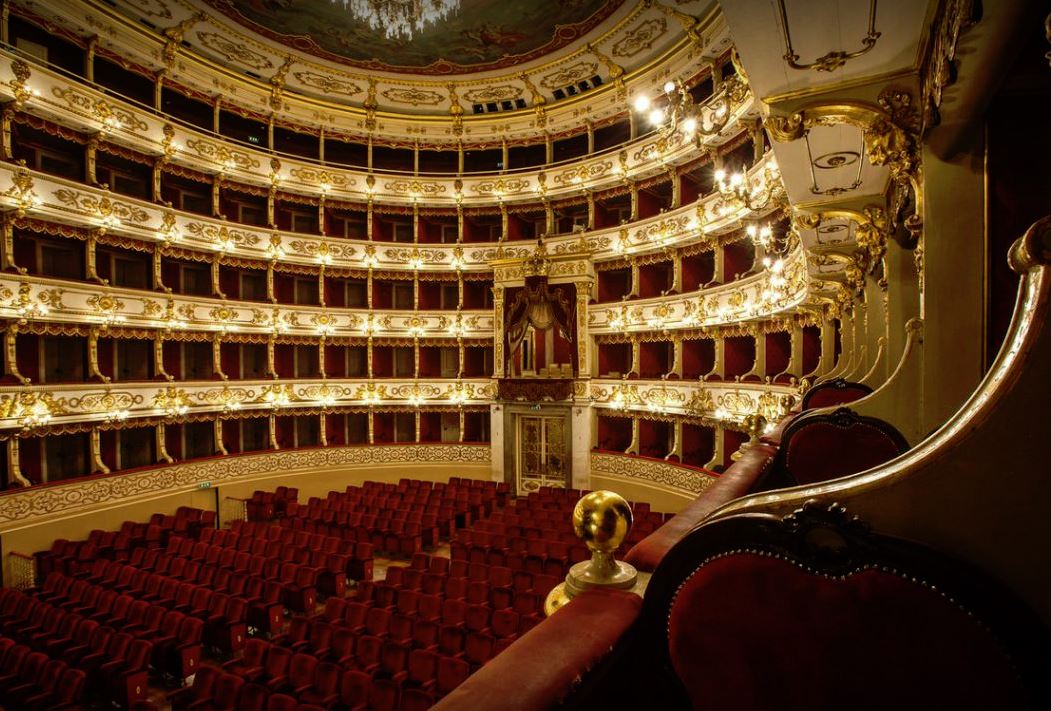
The Teatro Regio di Parma, originally constructed as the Nuovo Teatro Ducale (New Ducal Theatre), is an opera house and opera company in Parma, Italy.
Replacing an obsolete house, the new Ducale achieved prominence in the years after 1829, and especially so after the composer Giuseppe Verdi, who was born nearBusseto, some thirty kilometres away, had achieved fame. Also well known in Parma was the conductor Arturo Toscanini, was born there in 1867.
As has been noted by Lee Marshall, "while not as well known as La Scala in Milan or La Fenice in Venice, the city’s Teatro Regio....is considered by opera buffs to be one of the true homes of the great Italian tradition, and the well-informed audience is famous for giving voice to its approval or disapproval – not just from the gallery."
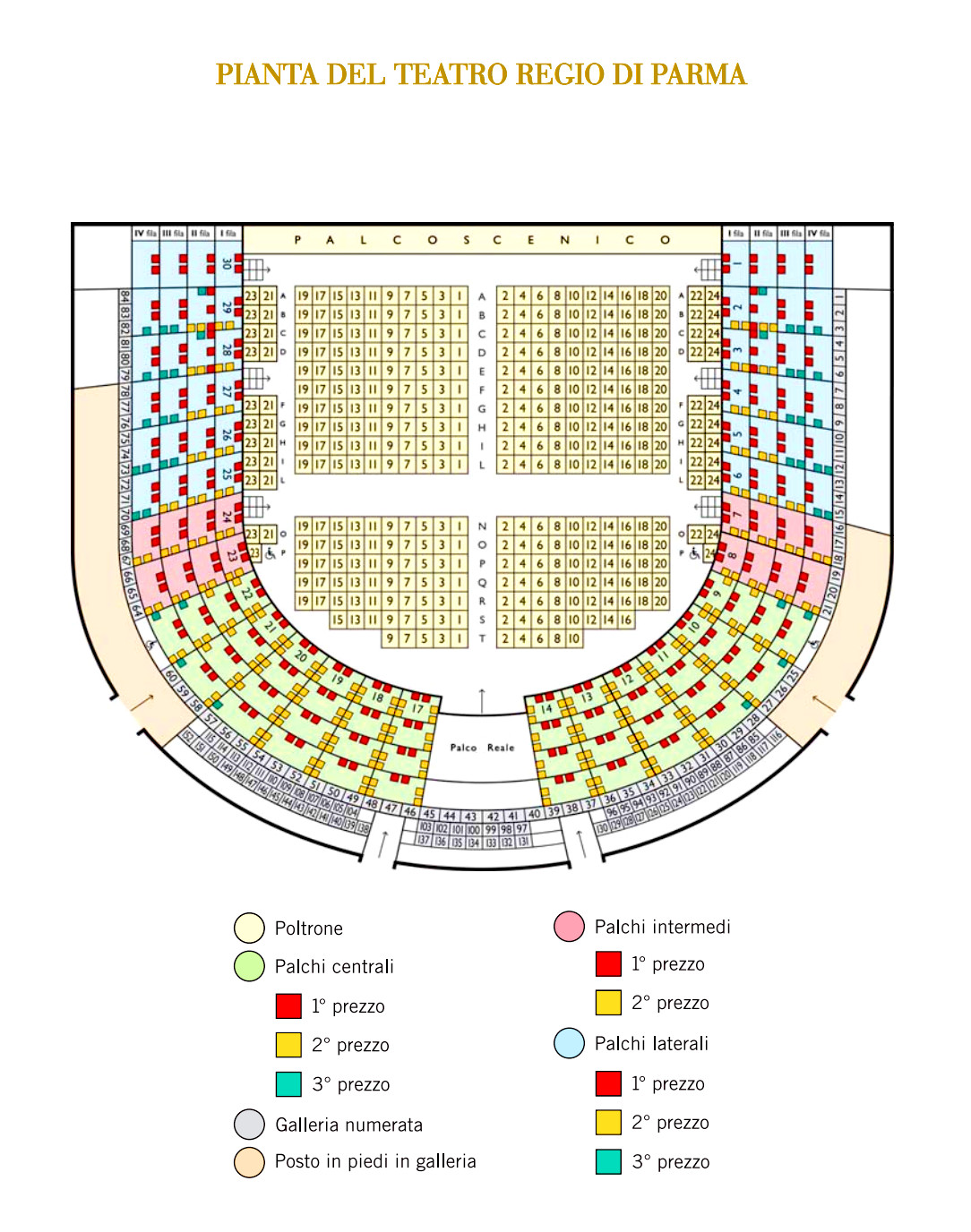
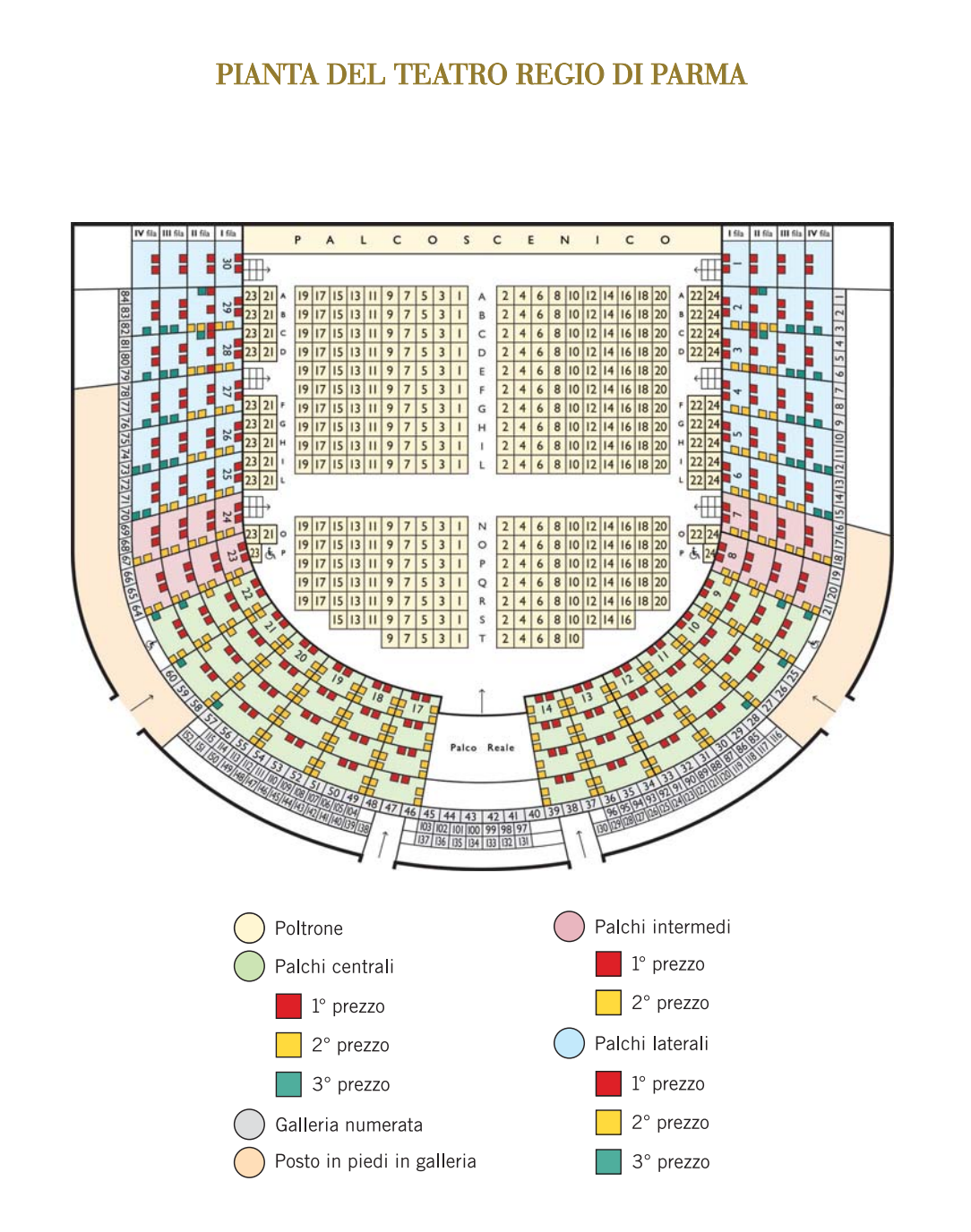
The 1,400-seat auditorium, with four tiers of boxes topped by a gallery, was inaugurated on 16 May 1829 when it presented the premiere of Vincenzo Bellini's Zaira, a production which was staged another seven times, although it did not prove to be popular with the Parma audiences. Initially Rossini had been invited to compose a work for the inauguration of the house, but he was too busy and so the task fell to Bellini. However, that inaugural season saw three Rossini operas staged, including Moïse et Pharaon, Semiramide, and Il barbiere di Siviglia.
Today, the company stages about four operas each season from mid January to April and, since 2003, it has presented an annual Verdi Festival each October.
Related events